Cloud platforms no longer just support applications—they power entire businesses. From SaaS products to enterprise systems, modern platforms must handle thousands of users, process real-time data, and maintain high levels of security and availability. In this environment, even minor failures can lead to downtime, data risks, and loss of customer trust. This is why cloud platform testing and API testing have become essential for delivering reliable and scalable digital solutions.
As businesses increasingly adopt cloud-native architectures, testing is no longer optional, it is a continuous process that ensures performance, scalability, and security under real-world conditions. With the expertise of IntegraQA, organizations can confidently validate their cloud systems and backend integrations to meet modern demands.
Why SaaS & Cloud Platform Testing Matters
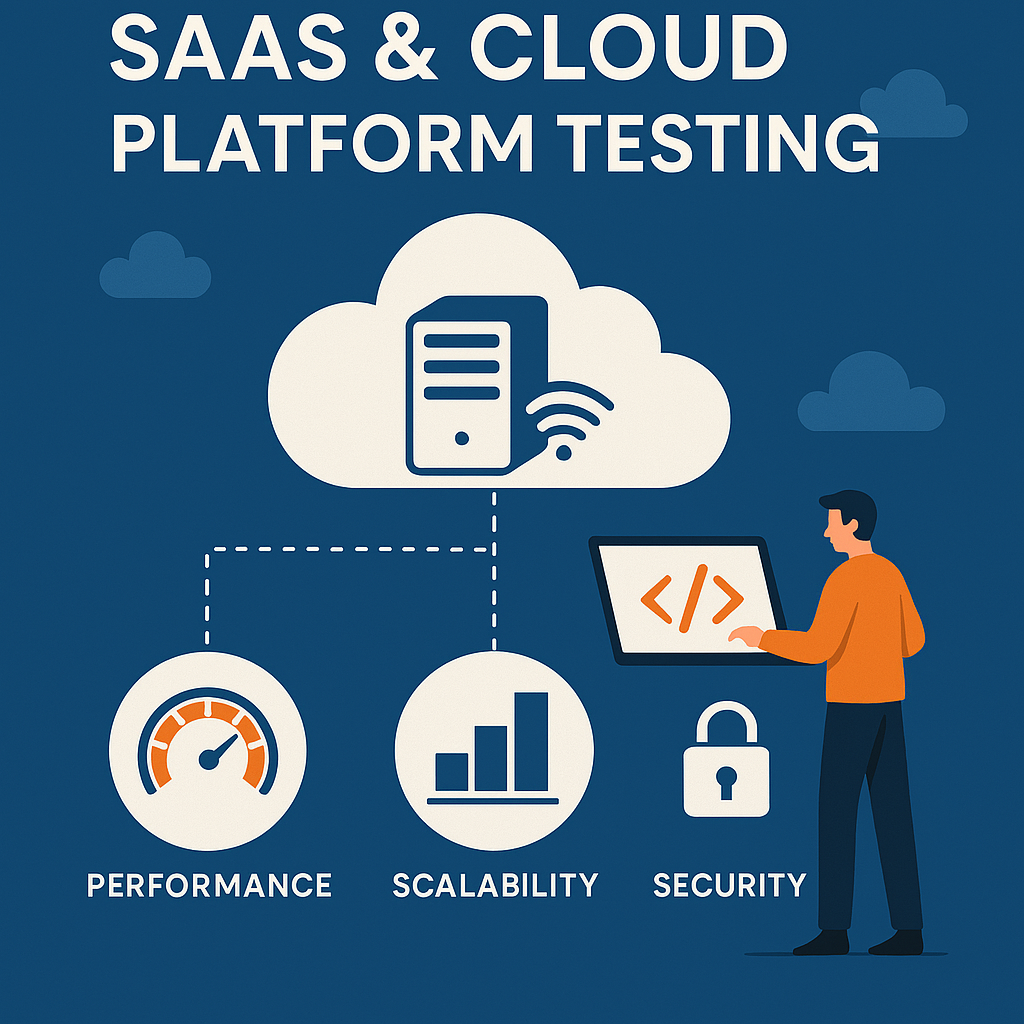
Cloud-based applications operate in dynamic and distributed environments. Effective SaaS & cloud platform testing ensures that these systems can handle varying workloads, maintain uptime, and deliver consistent performance across multiple users and regions.
One of the key challenges in SaaS platforms is scalability. As user demand grows, the system must expand seamlessly without performance degradation. Testing helps validate how the platform behaves under traffic spikes and peak usage conditions.
Security is another critical factor. Cloud platforms often store sensitive customer data, making them prime targets for cyber threats. Testing ensures proper encryption, access controls, and compliance with industry standards such as GDPR and SOC 2.
Additionally, SaaS environments often use multi-tenant architectures, where multiple users share the same infrastructure. Testing verifies data isolation and ensures that one user’s data does not interfere with another’s. This builds trust and reliability for end users.
Key Areas Covered in SaaS & Cloud Platform Testing
A comprehensive SaaS & cloud platform testing strategy includes multiple testing layers:
- Scalability & Load Testing: Ensures the system handles high traffic without failure
- Security & Compliance Testing: Protects sensitive data and ensures regulatory compliance
- Multi-Tenant Testing: Validates data isolation and tenant configurations
- High Availability Testing: Ensures uptime through failover and disaster recovery
- Data Migration Testing: Verifies accurate data transfer during upgrades or transitions
These testing components ensure that cloud platforms remain stable, secure, and efficient in real-world conditions.
The Importance of API Testing in Modern Applications
Behind every cloud platform is a network of APIs that enable communication between systems. API testing plays a crucial role in validating that these integrations work correctly and efficiently. APIs connect mobile apps, web platforms, payment systems, and third-party services, making them the backbone of modern software ecosystems.
According to IntegraQA, API testing ensures that backend systems function reliably, supporting seamless communication and integration across applications.
Testing APIs involves verifying request and response accuracy, data validation, error handling, and performance. It ensures that APIs deliver correct outputs even under unexpected conditions. This is especially important in cloud environments where multiple services interact continuously.
Core Components of API Testing
A robust API testing strategy focuses on several key areas:
- Functional Testing: Validates API endpoints and expected responses
- Performance Testing: Measures response time and throughput under load
- Security Testing: Ensures authentication, authorization, and data protection
- Integration Testing: Verifies smooth communication between systems
- Error Handling Testing: Confirms proper responses to invalid inputs
By covering these aspects, businesses can ensure that their backend systems remain reliable and efficient.
Combining SaaS & Cloud Platform Testing with API Testing
The true strength of modern testing lies in combining SaaS & cloud platform testing with API testing. While cloud testing ensures platform stability and scalability, API testing validates the communication between different components.
This integrated approach provides end-to-end coverage. It ensures that not only does the platform perform well, but also that all connected services function seamlessly. This is particularly important for businesses relying on microservices and third-party integrations.
At IntegraQA, testing strategies are designed to cover both infrastructure and integration layers, ensuring a holistic approach to quality assurance.
Best Practices for Effective Testing
To achieve the best results, businesses should follow proven testing practices. A structured testing strategy should be defined at the beginning of the project, including clear objectives and test coverage. Continuous testing should be integrated into the development lifecycle to identify issues early.
Automation also plays a key role in both SaaS & cloud platform testing and API testing, enabling faster execution and consistent results. Combining automated and manual testing ensures comprehensive coverage and better outcomes.
Conclusion
As digital platforms continue to evolve, ensuring reliability and performance becomes more critical than ever. SaaS & cloud platform testing helps validate scalability, security, and uptime, while API testing ensures seamless communication between systems. Together, they create a strong foundation for modern applications.
With the expertise and structured approach offered by IntegraQA, businesses can confidently deliver cloud-based solutions that are secure, scalable, and ready to perform in real-world environments.